

“Contra Gravitatem (Vita Genevievis)”, by Arkady Martine
Vega Septemiensis 273. “CONTRA GRAVITATEM” a LIFE of the apocryphal SAINT GENEVIEVE preserved in Late English (w/ some Greek characters), anonymous, 23rd century CE, acid-etched on lead sheets. St. Genevieve the … Continue reading

Salt and Cement and Other Denials, by Sara Saab
Alexander on the East-Looking Face I feel her pheromones nearly always, flavouring the salt breeze. The waves daub at us and daub at us and we gleam wet in the … Continue reading
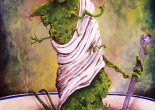
Sui Generis, by Y.X. Acs
1. Natalie and Andrew Temple lived in a beige townhouse in the southwest corner of Green Estates, with a deep ravine snaking along the perimeter behind their property. 2. Though … Continue reading
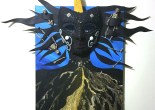
Manapolis, by Natalia Theodoridou
“Spleen felt like glass. Lung was molten stone, stomach was handfuls of sand, liver was wet cement. Intestines, whitewash. Heart, clay and dirt and straw. Blood was paint and … Continue reading

Under Dead Marsh, by Julia August
SCENE 1. SILENCE. VOICE #1: To begin at the end: It is summer, searing sandstorm season on a night rusty-ripe with glass domes glacial under dead sands, the planet-walkers topsy-turvy … Continue reading
Issue 9 Table of Contents
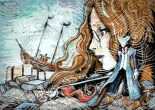
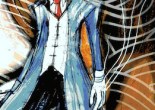
Here’s the full Table of Contents for Issue 9, our “Architectures” collection on sale February 10. These fabrics aren’t necessarily functions of grand cityscapes, and several of them are figurative. Saints … Continue reading
Issue 8 Foreword
It’s fitting that our “Dreamings” issue takes shape while its editor exists in a dreamlike state of her own, travelling abroad willy-nilly for months on end and making a personal … Continue reading
The Spider Tapestries, by Mike Allen
The azure star spider injects ink when it bites, an umber venom that paints the veins if the skin has paled enough, that steeps the brain in a fire of … Continue reading
 LACKINGTON'S
Issue 9 Foreword
Appreciating an architectural classic can be a both/and exercise, because story complicates the art of line and load. A building might be tied to a terrible history. It may have … Continue reading →